Unity Launches AI-Powered Development Suite for Mobile Game Creation
New tools aim to democratize mobile game development with automated optimization, AI-assisted asset generation, and intelligent testing frameworks
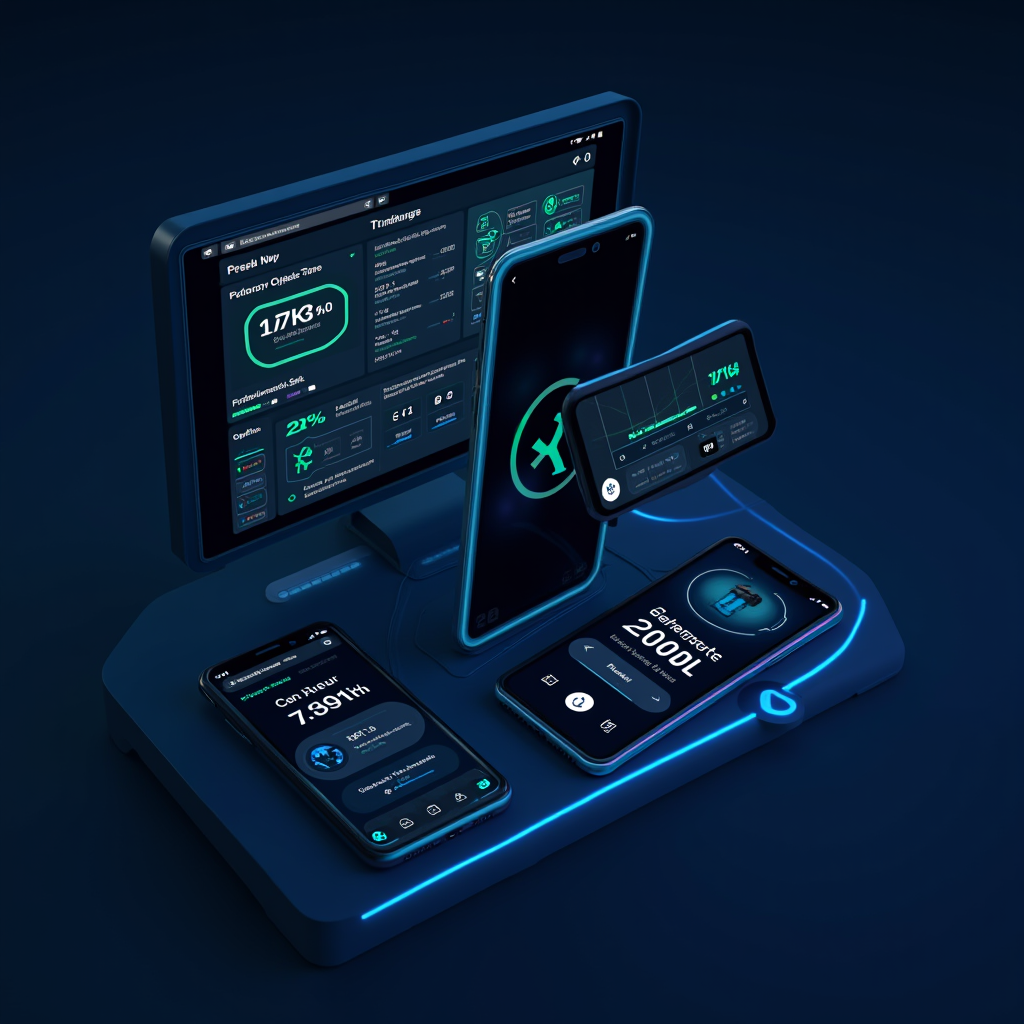
Unity Technologies has unveiled a comprehensive suite of AI-powered development tools specifically designed to streamline mobile game creation, marking a significant shift in how indie developers and small studios approach game development. The announcement, made at Unity's annual developer conference, introduces three core AI-driven features that promise to reduce development time, lower technical barriers, and democratize access to professional-grade game development capabilities.
The new toolkit represents Unity's most ambitious integration of artificial intelligence into its development ecosystem, addressing long-standing pain points that have historically challenged smaller development teams. With mobile gaming continuing to dominate the global gaming market—accounting for over 50% of all gaming revenue in 2025—Unity's strategic focus on mobile-optimized AI tools positions the company at the forefront of an increasingly competitive game engine landscape.
Automated Performance Optimization: Real-Time Intelligence

The centerpiece of Unity's new AI suite is the Automated Performance Optimization system, which leverages machine learning algorithms trained on millions of mobile game performance profiles. This intelligent system continuously monitors game performance during development, identifying bottlenecks, memory leaks, and rendering inefficiencies in real-time. Unlike traditional profiling tools that require manual interpretation, Unity's AI provides actionable recommendations with one-click implementation options.
The optimization engine analyzes frame rates, draw calls, physics calculations, and asset loading patterns across different device configurations. When performance issues are detected, the AI suggests specific solutions—from texture compression adjustments to shader optimization and level-of-detail modifications. Early testing shows that games using the automated optimization system achieve 30-40% better performance on mid-range Android devices, a critical demographic for mobile game success.
Key Performance Features
- ▸Real-time bottleneck detection with AI-powered analysis
- ▸Automated shader optimization for mobile GPUs
- ▸Memory management recommendations based on device profiles
- ▸Battery consumption optimization for extended gameplay
- ▸Network latency reduction for multiplayer games
Perhaps most impressively, the system learns from each project, building a knowledge base of optimization strategies specific to different game genres and art styles. A puzzle game receives different optimization recommendations than a fast-paced action title, with the AI understanding the unique performance requirements of each genre. This contextual intelligence represents a significant leap forward from generic optimization tools that apply one-size-fits-all solutions.
AI-Assisted Asset Generation: Democratizing Game Art
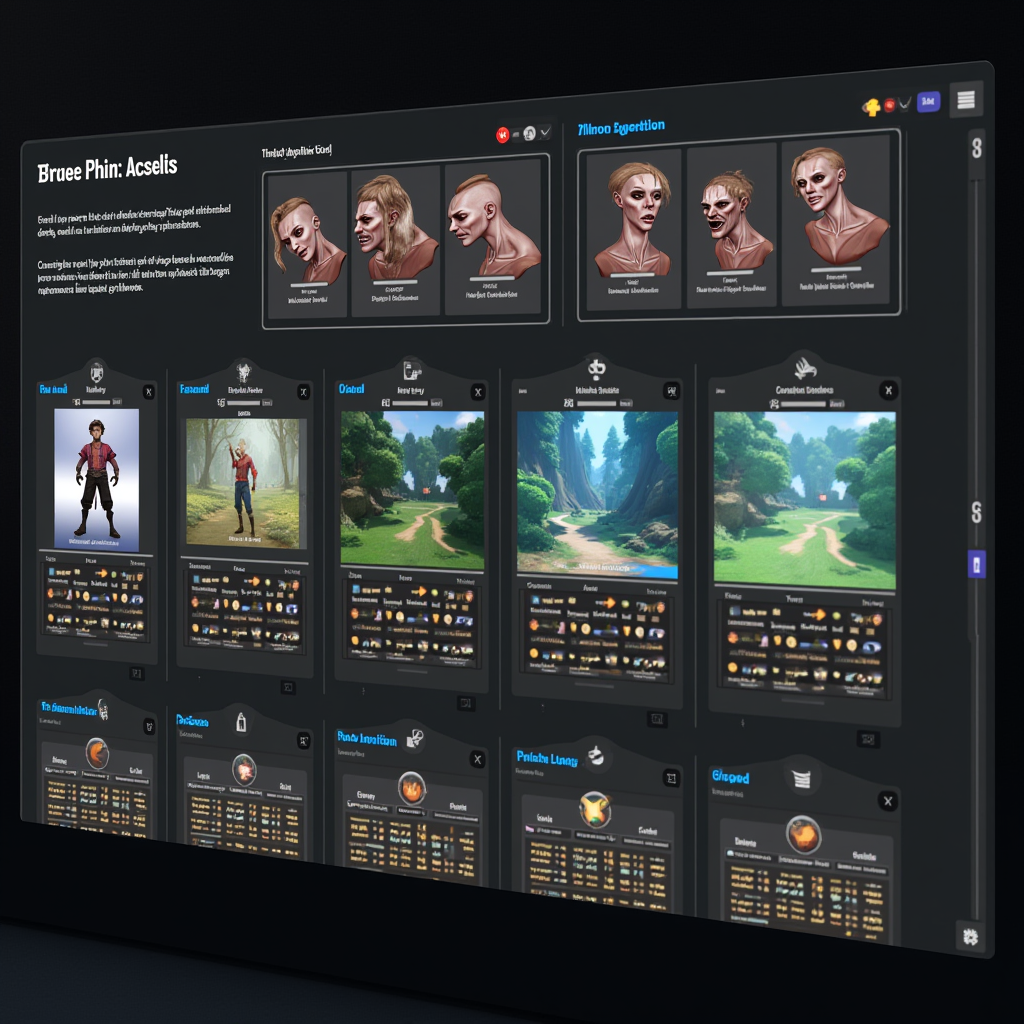
The AI-Assisted Asset Generation toolkit addresses one of the most significant barriers for indie developers: the cost and complexity of creating professional-quality game assets. Unity's new system combines multiple AI technologies—including text-to-3D generation, texture synthesis, and animation creation—into a unified workflow that integrates seamlessly with existing Unity projects.
Developers can now generate 3D models, textures, and animations using natural language descriptions. A simple prompt like "medieval fantasy sword with ornate engravings" produces multiple variations of game-ready assets, complete with appropriate materials, textures, and level-of-detail models optimized for mobile rendering. The system understands game development terminology and technical requirements, automatically generating assets with proper UV mapping, collision meshes, and mobile-optimized polygon counts.
The texture synthesis component is particularly powerful, capable of generating seamless tileable textures, normal maps, and PBR material sets from reference images or text descriptions. Artists can provide a single concept sketch, and the AI generates complete texture sets with diffuse, normal, metallic, and roughness maps—all properly calibrated for Unity's rendering pipeline. The system also maintains style consistency across assets, ensuring visual coherence throughout the game.
Asset Generation Capabilities
Animation generation represents another breakthrough feature. The AI can create character animations from text descriptions or reference videos, automatically rigging models and generating smooth, natural movements. For mobile games requiring dozens of character animations, this capability dramatically reduces production time and costs. The system also supports animation blending and procedural variation, ensuring that repeated animations don't appear robotic or repetitive.
Intelligent Testing Framework: Simulating the Real World

Unity's Intelligent Testing Framework tackles the notorious challenge of mobile device fragmentation. With thousands of different Android devices and multiple iOS configurations, comprehensive testing has traditionally required significant resources and time. Unity's AI-powered solution simulates various device configurations, screen sizes, performance profiles, and operating system versions—all within the development environment.
The testing framework uses machine learning to identify potential issues before they reach real devices. It analyzes game code, assets, and performance characteristics to predict how the game will behave on different hardware configurations. The AI simulates various scenarios: low-end devices with limited RAM, high-refresh-rate displays, different aspect ratios, and varying network conditions. This predictive testing catches compatibility issues, performance problems, and user experience inconsistencies early in development.
Beyond technical testing, the framework includes AI-driven playtesting capabilities. Virtual players with different skill levels and play styles interact with the game, identifying difficulty spikes, confusing UI elements, and gameplay balance issues. The system generates detailed reports highlighting areas where players struggle, lose interest, or encounter frustration—insights that would typically require extensive user testing sessions.
The framework also includes automated regression testing, continuously monitoring for issues introduced by code changes or asset updates. When problems are detected, the AI provides detailed diagnostic information, including reproduction steps, affected device profiles, and suggested fixes. This proactive approach to quality assurance significantly reduces the time spent debugging and ensures more stable releases.
Pricing Structure: Accessibility for Indie Developers
Unity has structured the AI toolkit pricing to prioritize accessibility for indie developers and small studios—the demographic most likely to benefit from these automation tools. The company offers three tiers: a free tier with limited monthly usage, a professional tier at $49 per month, and an enterprise tier with custom pricing for larger studios.
Perfect for hobbyists and learning
- ✓50 AI asset generations/month
- ✓Basic performance optimization
- ✓10 device configurations testing
- ✓Community support
Ideal for indie studios and professionals
- ✓Unlimited AI asset generations
- ✓Advanced optimization suite
- ✓500+ device configurations
- ✓Priority support
- ✓Commercial license
For large studios and publishers
- ✓Everything in Professional
- ✓Custom AI model training
- ✓Dedicated support team
- ✓On-premise deployment
- ✓SLA guarantees
The free tier provides meaningful functionality for developers learning the tools or working on small personal projects. With 50 AI-generated assets per month and basic optimization features, hobbyist developers can experiment with the technology without financial commitment. The professional tier, priced competitively at $49 monthly, removes usage limits and unlocks advanced features—a price point accessible to most indie studios while providing substantial value.
Unity has also announced a special program for educational institutions and non-profit organizations, offering free professional-tier access to qualifying applicants. This initiative aims to ensure that students and emerging developers can learn industry-standard AI-assisted development workflows, preparing them for the evolving landscape of game development.
Early Adopter Testimonials: Real-World Impact

Several indie studios participated in Unity's beta testing program, providing valuable insights into the practical impact of these AI tools. Pixel Forge Studios, a three-person team based in Portland, used the AI asset generation system to create their puzzle-adventure game "Mystic Realms" in just four months—a timeline they estimate would have taken 12-14 months using traditional methods.
"The AI asset generation completely changed our workflow. We could iterate on visual concepts in hours instead of weeks. The performance optimization caught issues we would have never found until late-stage testing. These tools leveled the playing field for small teams like ours."
Neon Wave Games, a mobile-focused studio in Singapore, praised the intelligent testing framework for its ability to identify device-specific issues. Their multiplayer racing game "Velocity Rush" needed to perform consistently across hundreds of Android devices. The AI testing system identified 23 critical compatibility issues during development, preventing what could have been a disastrous launch with widespread crashes and performance problems.
"The testing framework saved us months of QA work. We launched with a 4.7-star rating because the game just worked on every device. The AI caught edge cases we never would have thought to test manually. It's like having a QA team of hundreds working 24/7."
Solo developer Emma Thompson used the complete AI suite to create "Starlight Chronicles," a narrative-driven mobile RPG. Working alone, she leveraged AI-generated character models, environments, and animations to create a visually polished game that competed with titles from much larger teams. Her experience highlights how these tools can enable individual creators to realize ambitious visions previously requiring substantial teams and budgets.
Competitive Landscape: Unity vs. Unreal Engine and Godot
Unity's AI toolkit launch intensifies competition in the game engine market, particularly with Epic Games' Unreal Engine and the open-source Godot Engine. While Unreal Engine has traditionally focused on high-end graphics and console/PC development, Unity's mobile-first AI approach targets a different market segment—one that represents the majority of global gaming revenue.
Unreal Engine 5 offers impressive visual capabilities and has introduced some AI-assisted features, but its focus remains on high-fidelity graphics for PC and console platforms. The engine's complexity and resource requirements make it less suitable for mobile development, particularly for indie teams. Unity's mobile-optimized AI tools provide a more accessible entry point for developers targeting the mobile gaming market.
Godot Engine, while gaining popularity in the indie community due to its open-source nature and zero licensing costs, lacks integrated AI development tools. Developers using Godot must rely on third-party plugins or external services for AI-assisted features, creating a more fragmented workflow. Unity's integrated approach offers significant convenience and efficiency advantages, though at a higher cost.
The competitive dynamics suggest that AI integration will become a key differentiator in the game engine market. Unity's early and comprehensive implementation of AI tools positions the company favorably, particularly among mobile developers and indie studios seeking to maximize productivity with limited resources. However, the rapid pace of AI development means competitors will likely introduce similar features, making continued innovation essential for maintaining market leadership.
Industry Impact: The Future of Mobile Game Development

Unity's AI toolkit represents more than just new features—it signals a fundamental shift in how mobile games will be created. The democratization of professional-grade development tools has profound implications for the mobile gaming industry, potentially lowering barriers to entry while raising quality standards across the market.
Industry analysts predict that AI-assisted development will become standard practice within 2-3 years, with studios that fail to adopt these tools struggling to compete on development speed and cost efficiency. The ability to rapidly prototype, iterate, and optimize games using AI assistance will separate successful studios from those unable to adapt to the changing landscape.
However, the rise of AI tools also raises important questions about creativity, originality, and the role of human developers. Critics worry that widespread use of AI-generated assets could lead to visual homogenization, with games looking increasingly similar as they draw from the same AI training data. Unity addresses these concerns by emphasizing that AI tools augment rather than replace human creativity, handling repetitive technical tasks while freeing developers to focus on unique gameplay mechanics, narrative design, and artistic direction.
Projected Industry Changes (2025-2027)
The economic implications are equally significant. Lower development costs and faster production cycles could lead to increased experimentation and risk-taking in game design. Studios may be more willing to explore niche genres or innovative gameplay concepts when the financial stakes are reduced. This could result in a more diverse mobile gaming ecosystem with greater variety in game types and experiences.
Educational institutions are already adapting curricula to include AI-assisted development workflows. Game development programs are incorporating Unity's AI tools into their teaching, recognizing that graduates will need these skills to remain competitive in the job market. This shift in education will accelerate the industry's transition to AI-integrated development practices.
The environmental impact of AI-assisted development also deserves consideration. By reducing development time and improving optimization, these tools could lower the overall energy consumption associated with game creation and operation. Better-optimized games consume less battery power on mobile devices, contributing to reduced energy usage across millions of players—a small but meaningful environmental benefit at scale.
Looking Ahead: The Evolution Continues
Unity's AI toolkit launch is just the beginning of a broader transformation in game development. The company has announced plans for continuous updates and improvements, with quarterly releases adding new capabilities based on developer feedback and advancing AI technology. Future updates will include enhanced natural language interfaces for game logic creation, AI-powered sound design tools, and advanced procedural content generation systems.
The integration of large language models into the development environment could enable developers to describe game mechanics in plain English and have the AI generate corresponding code and systems. This natural language programming approach could further lower barriers to entry, allowing designers without extensive coding experience to implement complex gameplay features.
Unity is also exploring AI-assisted monetization optimization, using machine learning to analyze player behavior and suggest optimal pricing strategies, ad placement, and in-app purchase offerings. While controversial, these tools could help indie developers maximize revenue without resorting to predatory monetization practices, as the AI would optimize for long-term player retention rather than short-term extraction.
Join the AI Development Revolution
Unity's AI-powered development suite is available now for all Unity developers. Start with the free tier to explore the capabilities, or upgrade to Professional for unlimited access to all features.
The mobile gaming industry stands at an inflection point. AI-powered development tools are transforming what's possible for small teams and individual creators, enabling them to compete with larger studios on quality and polish. Unity's comprehensive AI suite represents the most significant advancement in accessible game development tools in years, with the potential to reshape the competitive landscape of mobile gaming.
As these tools mature and become more sophisticated, the distinction between AI-assisted and traditional development will blur. Future developers will view AI integration as a natural part of the creative process, much as current developers view version control or collaborative editing tools. The question is no longer whether AI will transform game development, but how quickly the industry will adapt to this new reality.
For indie developers and small studios, Unity's AI toolkit offers an unprecedented opportunity to realize ambitious creative visions with limited resources. The democratization of professional-grade development capabilities could usher in a new golden age of mobile gaming, characterized by greater diversity, innovation, and accessibility. As the mobile gaming market continues its explosive growth, AI-powered development tools will play an increasingly central role in shaping the games that define the next generation of mobile entertainment.